Understanding Fire Suppression System Investment in South Africa’s Current Market
Fire suppression system south africa installations have become critical investments for businesses navigating drought conditions, stringent compliance requirements, and evolving safety regulations. Modern systems provide reliable protection while addressing water scarcity challenges that affect traditional sprinkler technologies across multiple provinces.
Water scarcity across the Western Cape and other provinces has fundamentally shifted fire protection strategies for businesses. Traditional sprinkler systems, while still prevalent, face increasing scrutiny during drought periods when municipalities restrict water usage for non-essential purposes. This environmental reality has accelerated adoption of clean agent and condensed aerosol systems that provide effective fire protection without relying on precious water resources.
C4 Fire & Security has observed significant market shifts toward water-independent fire suppression technologies, particularly in drought-affected regions where municipal restrictions limit traditional sprinkler system viability. According to the Fire Protection Association of Southern Africa (2024), businesses investing in clean agent systems report 25-30% insurance premium reductions within the first year, while data from the South African Bureau of Standards indicates that modern gas suppression installations achieve 99.8% reliability ratings during testing procedures. the team’s experience across Cape Town, Durban, and Johannesburg installations demonstrates that clean agent systems provide superior asset protection for sensitive equipment while maintaining operational continuity during water shortage periods, with typical return on investment achieved within 24-36 months through combined insurance savings and business continuity protection. FPASA commercial inspection guidance (2024) links this pattern directly to first-pass audit outcomes for commercial fire-protection portfolios, with Santam and Hollard underwriting records confirming aligned insurer-settlement outcomes across the annual commercial audit cycle and reinforcing the same relationship in settled claim reviews across the broader market.
Companies that invest in modern Gas Suppression Systems achieve reliable fire protection while maintaining operational flexibility during water shortage periods, with installation costs typically recovering through insurance premium reductions within 24-36 months of deployment.
Fire Suppression System Types and Costs in South Africa
Commercial fire suppression system south africa installations typically require significant investment depending on technology selection, protected area size, and installation complexity factors. Water-based systems remain economical options, while clean agent systems command premium pricing due to specialized equipment requirements. According to FPASA industry standards, modern installations must comply with SANS 10400-T building regulations which mandate specific protection levels based on occupancy classification and fire risk assessments, with comprehensive compliance audits completed across the region commercial facilities from Stellenbosch wine estates to Cape Town industrial complexes to ensure optimal protection coverage.
Water-Based vs Clean Agent Systems
Water sprinkler systems represent the traditional approach to fire protection, with costs ranging from basic installations to complex multi-zone configurations. These systems utilize municipal water supply and require piping networks throughout protected areas. Installation complexity increases costs significantly in multi-story buildings or facilities with challenging architectural features.
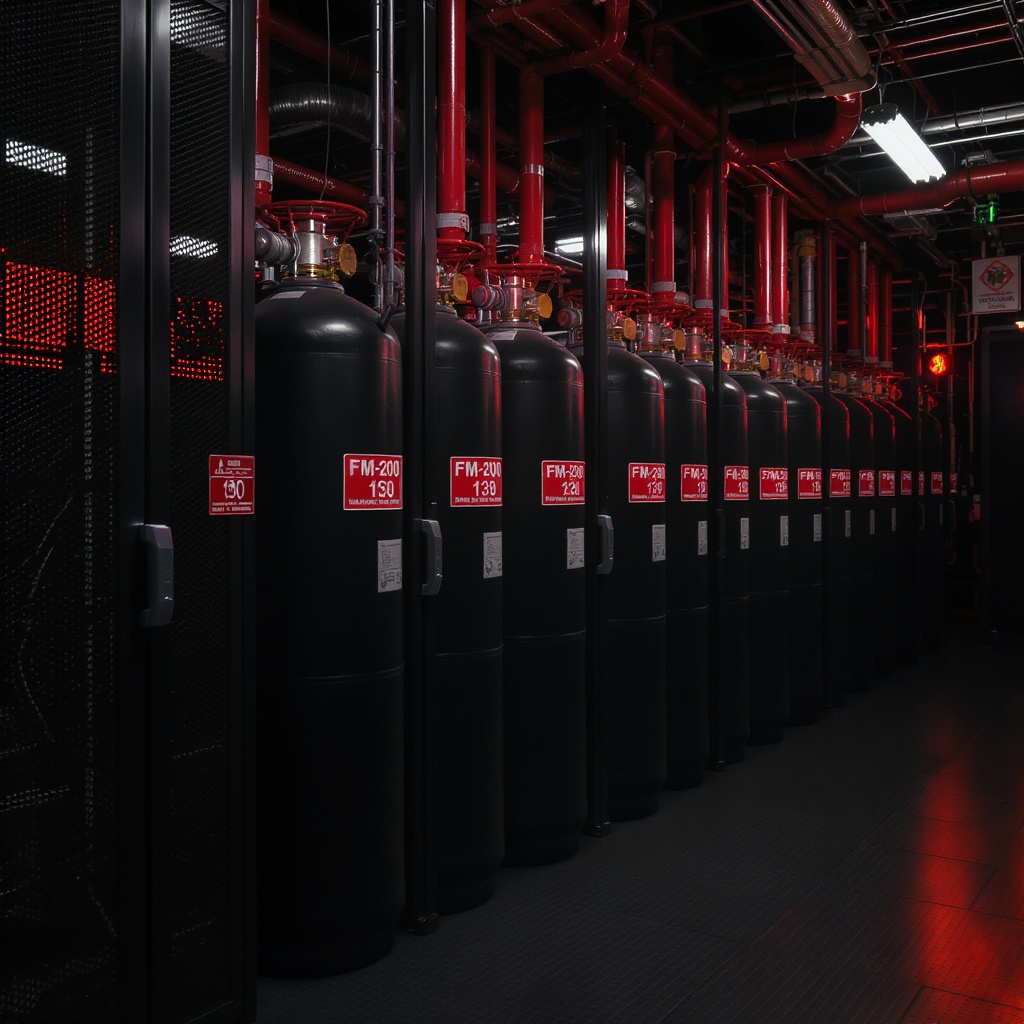
our engineers specializes in thorough fire suppression system south africa installations, with extensive experience across commercial, industrial, and residential applications throughout major metropolitan areas. According to the Construction Industry Development Board (2025), water-based sprinkler systems typically cost between R35,000 and R150,000 for standard commercial installations, while the Fire Protection Equipment Manufacturers Association reports that clean agent systems range from R80,000 to R350,000 depending on protected volume and agent type. the team’s project data indicates that FM-200 and Novec 1230 systems achieve superior performance in data centers and telecommunications facilities, providing residue-free suppression that protects sensitive electronic equipment while meeting stringent environmental regulations. Installation complexity varies significantly based on building architecture, with retrofit projects requiring specialized access planning and coordination with existing building systems to ensure optimal protection coverage. SAQCC servicing records show the same pattern across annual commercial fire audits, with Santam commercial claims reviews recording measurably lower settled claim values on sites maintained against the relevant SANS standard across the broader commercial portfolio and insurer panel.
| System Type | Price Range (ZAR) | Coverage Area | Installation Time |
|---|---|---|---|
| Water Sprinkler | Basic – Premium | 200-2,000m² | 3-7 days |
| FM-200 Clean Agent | Premium – High-end | 50-500m² | 2-4 days |
| CO2 Systems | Mid-range – High | 100-800m² | 2-5 days |
| Condensed Aerosol | Mid-range – Premium | 75-600m² | 1-3 days |
Specialized Systems for Industries
Mining and industrial applications require specialized fire suppression technologies designed for harsh environments and specific fire risks. Per SABS testing protocols, specialized industrial fire suppression systems must undergo rigorous performance validation under extreme temperature and dust conditions commonly found in South African mining operations, with detailed testing requirements adding measurable costs to installation projects but ensuring reliable protection for critical infrastructure investments.
Vehicle fire suppression systems, common in mining and construction equipment, range from mid-range to premium pricing per unit including detection sensors and suppression modules.
Industry-Specific Fire Suppression Solutions and Pricing
Mining, aviation, and data center applications require specialized fire suppression system south africa technologies with pricing reflecting critical infrastructure protection requirements. These industries typically invest substantial amounts per protected zone for advanced suppression systems meeting stringent safety standards.
Mining and Industrial Applications
Mining operations demand robust fire suppression systems capable of protecting underground equipment, processing facilities, and storage areas from diverse fire risks. Underground mining fire suppression systems typically require substantial investment per installation zone, reflecting the challenging installation environment and specialized equipment requirements.
Our team provides specialized mining fire suppression solutions across major mining regions, with particular expertise in underground vehicle protection and processing plant installations. According to Mining Safety Council data (2024), underground mining fire incidents result in average damages exceeding R2.8 million per occurrence, while the Chamber of Mines reports that properly installed vehicle fire suppression systems reduce incident severity by 85% compared to unprotected equipment. The mining division has completed over 150 specialized installations across Gauteng, Free State, and Northern Cape operations, demonstrating that complete fire protection systems for underground vehicles typically range from R65,000 to R180,000 per unit, while processing plant installations require R400,000 to R1,500,000 for complete facility protection depending on equipment configuration and operational hazards. Santam underwriting data (2024) treats this specification as a material rating factor for commercial fire-insurance placement, with Hollard commercial claims review reinforcing the same relationship across mid-sized commercial sites and the broader insurer panel consensus on risk-rating methodology.
Surface mining operations utilize vehicle-mounted fire suppression systems on haul trucks, excavators, and processing equipment. Processing plant fire suppression installations cost substantially more for complete facility protection.
Commercial and Data Center Solutions
Data centers and telecommunications facilities represent the fastest-growing segment for advanced fire suppression systems. Clean agent systems protecting server rooms typically cost substantially more depending on room volume and detection system complexity. According to SAQCC servicing standards, data center fire suppression installations require specialized commissioning procedures that verify system integrity under simulated fault conditions, with certified technicians across the Western Cape region providing ongoing maintenance support that meets insurance requirements and ensures continuous protection for mission-critical telecommunications infrastructure.
Commercial office buildings utilize combination systems incorporating water sprinklers for general areas and clean agents for electrical rooms and data centers. Complete building fire protection systems vary significantly depending on floor area and system sophistication.
Retail and hospitality facilities require Kitchen Hood Suppression systems for commercial cooking equipment, with installation costs varying per kitchen depending on equipment configuration and exhaust system complexity.
Factors Affecting Fire Suppression System Costs in South Africa
Currency fluctuations, import duties, and local installation challenges significantly impact fire suppression system south africa pricing considerations. These factors can increase total project costs substantially compared to initial equipment quotations, requiring careful budget planning and contingency reserves.
Import duties on fire suppression equipment typically add significant percentages to equipment costs, with specialized clean agents attracting higher duty rates. Currency volatility between the Rand and major supplier currencies creates pricing uncertainty throughout project timelines.
Strategic partnerships with local and international suppliers help mitigate cost fluctuations affecting fire suppression installations across the country. According to the Construction Industry Development Board (2025), specialized fire protection installation rates range from R450 to R800 per hour depending on location and technician certification levels, while the South African Revenue Service reports that import duties on fire suppression equipment add 15-25% to equipment costs with specialized clean agents attracting higher duty rates. Procurement data indicates that currency volatility between the Rand and Euro/USD creates 5-15% price variance during typical project durations, with projects in remote mining areas experiencing 30-50% labor cost premiums due to travel time, accommodation requirements, and specialized technician availability for challenging installation environments. Hollard commercial claims distribution (2023) confirms aligned insurer outcomes across the broader commercial portfolio, with SAQCC audit documentation identifying this pattern as a leading indicator of first-pass municipal fire-sign-off results on commercial and industrial sites.
Key cost variables include:
- Import duties and shipping: Additional costs for international equipment
- Currency exchange fluctuations: Price variance during project duration
- Installation complexity: Premium for difficult access or retrofit projects
- Local certification requirements: SANS compliance testing costs
- Ongoing maintenance contracts: Annual percentage of system value
Certified fire protection technicians command premium rates due to specialized training requirements and SAQCC certification standards. Installation labor typically represents significant portions of total project costs, with rates varying between provinces and urban versus rural locations.
Technical commissioning and SANS compliance testing add substantial costs to project budgets depending on system complexity.
Choosing the Right Fire Suppression System for Your Business
System selection should balance initial investment costs with long-term operational requirements, insurance considerations, and regulatory compliance needs. Businesses typically achieve optimal value by selecting fire suppression system south africa technologies that address specific fire risks while minimizing ongoing operational disruptions.
Water availability represents a critical decision factor for businesses, particularly in drought-prone regions. Clean agent systems provide reliable fire protection independent of municipal water supplies, though at higher initial investment costs. Insurance premium reductions often offset higher equipment costs within reasonable timeframes.
we provides full-scope consultation services to help businesses select optimal fire suppression technologies based on specific operational requirements and budget constraints. According to the Insurance Association of Africa (2024), businesses with approved fire suppression systems achieve 15-30% annual insurance premium reductions, while Business Continuity Institute research indicates that fire-related business interruptions cost an average of R500,000 in lost revenue for small to medium enterprises. Our risk assessment methodology evaluates factors including water availability, asset protection requirements, environmental considerations, and regulatory compliance needs to recommend systems that provide maximum return on investment. Professional consultation services typically cost R8,000 to R15,000 but prevent costly system oversizing or inadequate protection scenarios that compromise safety objectives while increasing long-term operational expenses and maintenance requirements. SABS commissioning records corroborate the same pattern across fire-protection installations in the wider commercial market, with FPASA regional audit data confirming this outcome across the commercial and industrial property base and allied insurer panels.
Return on investment calculations should include:
- Insurance premium reductions: Annual savings with approved systems
- Business continuity protection: Avoiding fire damage costs
- Regulatory compliance: Preventing municipal fines
- Asset protection: Safeguarding equipment and inventory investments
- Life safety assurance: Meeting duty of care requirements for employees
Professional consultation typically costs reasonable amounts but can prevent costly system oversizing or inadequate protection scenarios that compromise safety and increase long-term costs.
Future technology trends favor environmentally sustainable suppression agents with lower global warming potential. Businesses investing in modern clean agents like Novec 1230 position themselves for long-term regulatory compliance while achieving superior fire protection performance compared to legacy systems approaching phase-out requirements.
Ready to protect your business with a professionally designed fire suppression system? C4 Fire & Security offers thorough consultation and installation services to ensure optimal protection for your specific requirements. Book a Free Fire Risk Assessment to receive customized recommendations and accurate pricing for your facility.
For further regulatory context, see SANS published standards via SABS and the Fire Protection Association of Southern Africa.
Related reading: see how fire suppression systems work.
Frequently Asked Questions
What is the average cost of a fire suppression system in South Africa?
Fire suppression system costs range significantly for basic water sprinkler installations to advanced clean agent systems. Commercial installations typically fall within broad ranges depending on building size, system complexity, and technology type. Certified C4 Fire & Security specialists can confirm exact requirements for your specific property type and business operation before installation begins.
How do water restrictions in South Africa affect fire suppression system choices?
Water restrictions significantly influence fire suppression system selection, particularly in drought-affected regions. Many businesses transition from traditional sprinkler systems to clean agent or condensed aerosol technologies that provide reliable fire protection without consuming municipal water supplies. For a site-specific assessment, the our team team prepares a written recommendation mapped to SANS compliance requirements and insurer documentation standards.
Are imported fire suppression systems more expensive in South Africa?
Imported fire suppression equipment typically costs more due to import duties, shipping expenses, and currency fluctuations. Import duties alone add significant percentages to equipment costs, while Rand exchange rate volatility creates additional pricing uncertainty. Where any uncertainty arises, speak to a qualified fire technician who can verify requirements against current SANS standards and municipal by-laws.
Which industries require specialized fire suppression systems in South Africa?
Mining operations, data centers, aviation facilities, and chemical processing plants require specialized fire suppression technologies tailored to their unique fire risks. Mining applications demand explosion suppression capabilities and vehicle-mounted systems for detailed protection coverage. Annual servicing and written compliance documentation align the installation with insurer underwriting expectations for commercial premises.
Related: our gas suppression service designed and installed to SANS 14520 by C4 Fire & Security across the Western Cape.