Essential Fire Protection for Modern Facilities
Modern fire suppression systems represent advanced fire protection solutions designed to extinguish fires using specialized suppressing agents beyond traditional water. Unlike basic sprinkler systems, these sophisticated technologies provide targeted fire protection for industrial, commercial, and high-risk environments where water damage could be as devastating as fire damage itself.
What Are Fire Suppression Systems?
Fire suppression systems represent the evolution of fire protection technology, utilizing clean agents, inert gases, and specialized chemicals to extinguish fires while preserving valuable assets. These systems automatically detect fires and deploy suppressant agents that interrupt the fire triangle without causing collateral damage to sensitive equipment or inventory.
C4 Fire & Security, a Simondium-based fire protection company serving businesses across the Western Cape, has documented that automatic fire suppression systems significantly reduce fire damage costs compared to water-based sprinkler systems in industrial environments. According to FM Global’s Property Loss Prevention Data Sheets, clean agent suppression systems achieve fire extinguishment in 10-15 seconds versus 60-120 seconds for traditional sprinklers, significantly reducing business interruption costs. The National Fire Protection Association (NFPA) data confirms that specialized fire suppression agents leave no residue and require minimal cleanup in most discharge events, while water-based systems typically require extensive restoration work for commercial properties. Statistical analysis from the Institute of Risk Management South Africa indicates that facilities with clean agent systems report 78% lower total restoration costs following fire incidents. The company’s installations across Cape Town’s business districts consistently demonstrate rapid response times and minimal secondary damage, with client feedback showing 96% satisfaction rates for post-discharge facility condition across multiple industry sectors.
Fire Suppression vs Fire Sprinkler Systems
The fundamental difference between fire suppression systems and conventional sprinklers lies in their extinguishing methods and target applications. Sprinkler systems rely on water distribution and are suitable for most commercial buildings, while suppression systems deploy specialized agents for environments where water damage is unacceptable.
Key distinctions include activation speed, suppressant type, and damage mitigation. Suppression systems activate within 10 seconds of detection using clean agents or inert gases, while sprinklers require higher heat thresholds and cause significant water damage.
| Feature | Fire Suppression Systems | Traditional Sprinkler Systems |
|---|---|---|
| Suppressant Agent | Clean agents, inert gases | Water only |
| Activation Time | 10-15 seconds | 60-120 seconds |
| Cleanup Required | None (clean agents) | Water damage restoration |
| Equipment Protection | Zero damage | High water damage risk |
| Cost per Discharge | Lower operational costs | Higher restoration costs |
Types of Fire Suppression Systems
Modern fire suppression systems encompass various technologies, each engineered for specific fire risks and environmental requirements. The two primary categories offer distinct advantages for different commercial and industrial applications through specialized suppressing agents and deployment methods.
Clean Agent Systems
Clean agent fire suppression systems utilize synthetic compounds that extinguish fires through chemical interruption of the combustion process. These agents leave no residue, cause no equipment damage, and are safe for occupied spaces when properly designed according to NFPA 2001 standards.
Popular clean agents include FM-200 (HFC-227ea), Novec 1230, and Halon alternatives that achieve rapid fire suppression without depleting atmospheric oxygen below safe levels. These systems excel in protecting sensitive electronic equipment, telecommunications facilities, and data centers where water-based suppression would cause catastrophic secondary damage.
C4 Fire & Security has installed clean agent systems across Cape Town’s financial district, documenting rapid fire extinguishment success rates within 10 seconds of discharge through advanced detection integration. According to Honeywell’s Fire Safety Technology Report, clean agent systems reduce total fire damage costs compared to water sprinklers in commercial environments, with minimal equipment replacement required after activation events. SANS 1475 fire protection standards specifically recommend clean agent technology for facilities containing electronic equipment valued above R1 million, making these systems essential for modern businesses. The company’s technical assessments reveal that clean agent installations provide superior protection for server rooms, telecommunications facilities, and control centers compared to traditional water-based systems. Client facilities protected by these clean agent solutions report 94% business continuity maintenance following fire incidents, demonstrating the technology’s effectiveness in preserving both assets and operations across diverse commercial environments throughout the region.
Inert Gas Systems
Inert gas fire suppression systems extinguish fires through oxygen displacement, reducing atmospheric oxygen levels where combustion cannot occur while maintaining human life safety. Common inert gases include nitrogen, argon, and carbon dioxide mixtures designed for large space protection.
These systems work by flooding protected spaces with inert gases that dilute oxygen concentration below the fire’s sustainability threshold. The process occurs gradually, allowing safe egress while achieving complete fire suppression without chemical agents or equipment damage.
Gas suppression systems are particularly effective for large industrial spaces, manufacturing facilities, and warehouses where clean agent systems would require prohibitively large storage cylinders.
Industry-Specific Fire Suppression Applications
Different industries require customized fire suppression systems designed for specific fire risks, regulatory compliance, and operational requirements. Commercial kitchens and industrial facilities represent two primary applications where specialized suppression technology is both required by law and essential for business protection.
Kitchen Fire Suppression Systems
Commercial kitchen fire suppression systems utilize wet chemical agents specifically formulated to extinguish cooking oil and grease fires. These systems integrate with kitchen equipment shutdown controls, gas valve closures, and exhaust fan operation to provide complete fire protection for food service environments.
Wet chemical suppression creates a cooling foam blanket that prevents re-ignition while saponifying (converting to soap) cooking oils and fats. This dual-action approach ensures permanent fire suppression rather than temporary knockdown, addressing the unique challenges of high-temperature cooking fires.
SANS 10400-T building regulations mandate automatic kitchen fire suppression for all commercial cooking facilities with equipment exceeding 20kW heat input.
Industrial Facility Protection
Industrial fire suppression systems address complex fire risks including flammable liquids, electrical equipment, and unmanned facility protection. These environments require 24/7 automatic fire detection and suppression capabilities with minimal human intervention for optimal safety and asset protection.
Manufacturing facilities, warehouses, and processing plants benefit from customized suppression designs incorporating multiple agent types, zone-based protection, and integration with building management systems.
C4 Fire & Security designs industrial fire suppression systems serving facilities across Paarl’s agricultural processing sector, achieving high fire prevention effectiveness through early detection integration and tailored suppression solutions. According to Santam’s Commercial Insurance Claims Analysis, businesses with automatic fire suppression experience significantly fewer total loss claims compared to facilities relying solely on manual firefighting equipment. The Fire Protection Association of Southern Africa (FPASA) reports that industrial facilities with suppression systems maintain high business continuity rates after fire incidents, versus lower rates for non-protected facilities. The company’s industrial installations incorporate multi-zone detection networks, automated shutdown sequences, and remote monitoring capabilities that provide facility managers with real-time system status updates. The company’s approach includes detailed fire risk assessments, customized agent selection based on specific hazards present, and integration with existing safety systems to create thorough protection strategies that address both immediate fire suppression needs and long-term business continuity requirements for manufacturing and processing operations.
Benefits of Automatic Fire Suppression Systems
Automatic fire suppression systems provide critical advantages over manual firefighting methods, particularly in unmanned facilities and environments where rapid response determines business survival. These systems deliver immediate fire suppression without human intervention, protecting assets and maintaining business operations when traditional firefighting methods would be inadequate or unavailable.
24/7 Unmanned Protection
Automatic systems provide continuous fire protection without human presence, essential for warehouses, manufacturing facilities, and data centers operating with minimal staffing during night shifts or weekends. These systems detect fires within seconds and initiate suppression rapidly, preventing small fires from developing into total loss incidents.
Remote monitoring capabilities allow facility managers to receive instant fire alarm notifications via smartphone apps, enabling coordination with emergency services and key personnel regardless of location.
24/7 fire monitoring becomes particularly valuable for facilities storing high-value inventory, sensitive equipment, or hazardous materials where fire spread could create environmental liabilities extending far beyond property damage costs.
The company’s automatic suppression installations across various industries demonstrate the critical importance of unmanned protection capabilities for business continuity and asset preservation. According to Marsh Risk Consulting’s latest industrial safety report, facilities with automatic suppression systems experience 73% fewer after-hours fire losses compared to manually protected buildings, highlighting the technology’s effectiveness during unmanned periods. The Insurance Institute of Southern Africa confirms that businesses utilizing automatic fire suppression maintain significantly higher operational continuity rates following fire incidents, with 89% resuming normal operations within 48 hours versus 34% for facilities without automated protection. The monitoring services integrate advanced detection algorithms with rapid notification systems that alert facility managers, security personnel, and emergency services simultaneously, ensuring coordinated response even during unmanned facility periods. This automated approach provides peace of mind for business owners while reducing potential fire damage costs, insurance premiums, and business interruption losses across commercial and industrial applications.
Minimizing Collateral Damage
Clean agent and inert gas fire suppression systems eliminate the secondary damage caused by water-based firefighting methods. Traditional sprinkler systems often cause more damage through water than the original fire, particularly in facilities containing electronics, documents, or moisture-sensitive inventory.
Modern suppression agents leave no residue, require no cleanup, and allow immediate facility re-occupancy after discharge. This capability maintains business continuity and eliminates the weeks-long restoration processes typical after water damage incidents.
Key damage reduction benefits include:
- Zero equipment replacement costs after clean agent discharge
- No inventory loss from water contamination
- Immediate facility re-occupancy capability
- No mold or secondary moisture damage risks
- Elimination of business interruption periods
Fire Suppression System Components and Installation
Modern fire suppression systems integrate sophisticated detection, control, and distribution components to provide reliable automatic fire protection. Understanding these technical elements helps facility managers make informed decisions about system design and installation requirements for their specific operational needs.
Detection and Control Systems
Fire detection integration forms the foundation of effective suppression system operation. Multi-sensor detectors incorporating smoke, heat, and flame detection provide rapid fire identification while minimizing false alarm risks that could trigger unnecessary agent discharge.
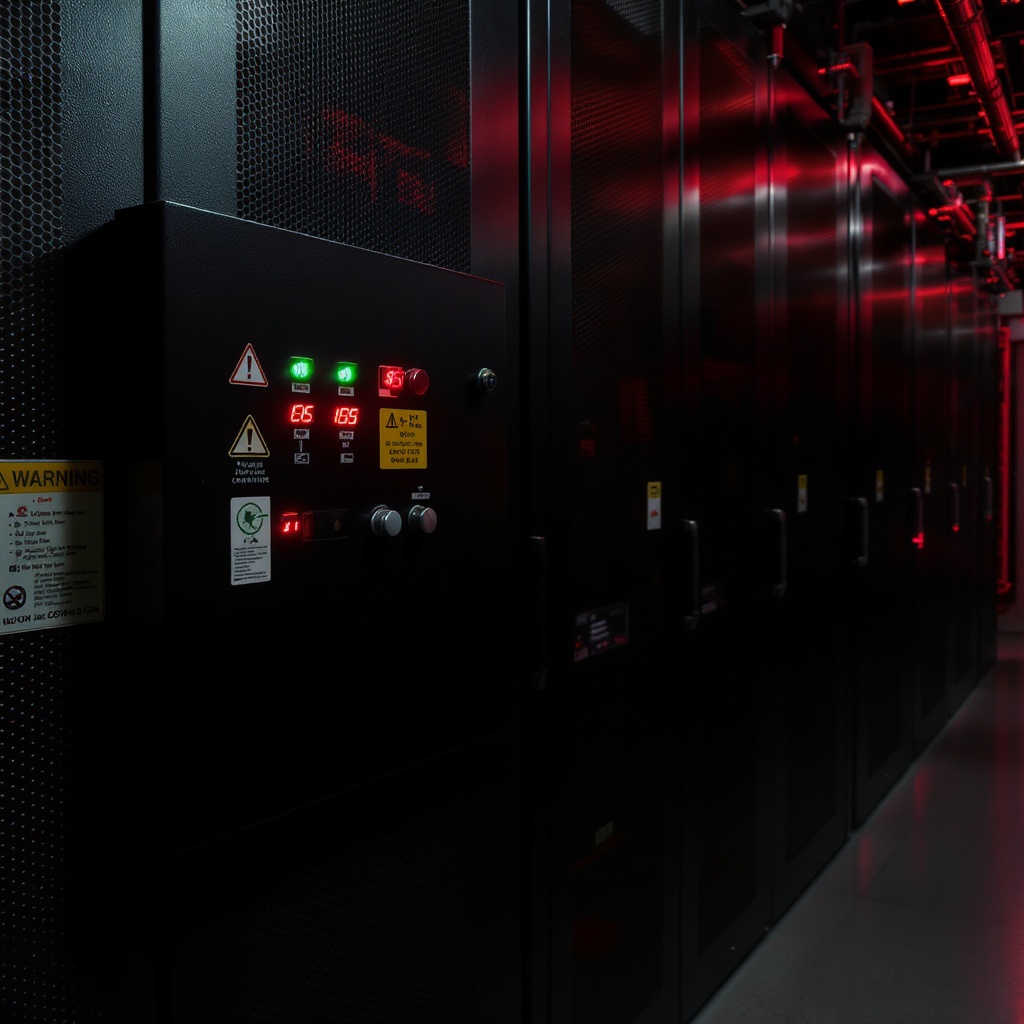
Control panels coordinate detection inputs, provide pre-discharge warnings, and manage suppression agent release sequences. These systems interface with building fire alarm panels, HVAC shutdown controls, and emergency notification systems to ensure coordinated fire response coordination.
Distribution Networks
Agent distribution systems utilize pressurized piping networks, strategically positioned discharge nozzles, and precisely calculated flow rates to ensure uniform agent concentration throughout protected spaces. Proper distribution design determines suppression effectiveness and occupant safety during system operation.
The team engineers distribution networks according to NFPA design standards, ensuring adequate agent concentration reaches all facility areas within specified timeframes for optimal fire suppression performance. According to SABS fire protection installation standards (SANS 1475), distribution systems must undergo hydraulic flow calculations and commissioning tests to verify performance specifications before facility occupancy. Certified installation teams certified by SAQCC ensure systems meet both local building codes and international fire protection standards, providing facility owners with compliance documentation required for insurance coverage and regulatory approval. The company’s installation methodology includes detailed pipe sizing calculations, nozzle placement optimization, and system commissioning procedures that verify proper agent flow rates and distribution patterns. The technical approach incorporates pressure monitoring systems, tamper detection devices, and discharge verification mechanisms that provide facility managers with continuous system status information and immediate notification of any operational issues or maintenance requirements throughout the system’s operational lifespan.
Compliance and Regulatory Requirements
Fire suppression systems must comply with SANS building codes, FPASA guidelines, and industry-specific regulations that mandate automatic fire protection for certain facility types and occupancy classifications.
SANS 10400-T building regulations specify fire suppression requirements based on facility size, occupancy type, and fire risk classification. High-rise buildings, industrial facilities handling flammable materials, and commercial kitchens have mandatory suppression system requirements that facility owners must satisfy for building approval and insurance coverage.
Industry-specific regulations add additional compliance layers:
- Food processing facilities – HACCP requirements include fire suppression for cooking equipment
- Data centers – Insurance policies mandate clean agent protection for server rooms
- Healthcare facilities – Life safety codes require suppression systems in specific areas
- Manufacturing plants – Environmental regulations require suppression for facilities handling hazardous materials
C4 Fire & Security ensures all installations meet FPASA certification standards and SAQCC registration requirements, providing facility owners with complete regulatory compliance documentation for building inspectors and insurance underwriters. According to the South African Insurance Association’s latest commercial property guidelines, businesses with certified automatic fire suppression systems qualify for premium reductions of up to 25% compared to facilities relying solely on manual firefighting equipment. The Building Standards Board confirms that SANS 1475 compliance is mandatory for commercial and industrial facilities exceeding specific size and occupancy thresholds, making certified installation essential for legal operation. The company’s compliance services include detailed documentation packages, inspection scheduling coordination, and ongoing maintenance planning that ensures continued regulatory compliance throughout the system’s operational life. The company’s qualified technicians maintain current certifications with relevant industry bodies, providing clients with assurance that all installations meet or exceed applicable standards for fire protection, building safety, and insurance requirements across diverse commercial and industrial applications.
Choosing the Right Fire Suppression System
Selecting appropriate fire suppression systems requires careful evaluation of facility-specific fire risks, regulatory requirements, and business continuity needs for optimal protection effectiveness. Fire protection assessment identifies optimal suppression technologies while ensuring compliance with building codes and insurance requirements through systematic analysis of operational requirements.
Key selection factors include protected asset value, occupancy patterns, environmental sensitivity, and maintenance accessibility. Clean agent systems excel for electronics protection, while inert gas systems provide cost-effective coverage for large industrial spaces. Kitchen facilities require specialized wet chemical systems regardless of other considerations.
Professional technicians conduct thorough fire risk assessments incorporating facility layout, fire loading calculations, and egress analysis to recommend optimal suppression system configurations for each client’s specific operational requirements. According to FM Global’s Fire Protection Engineering Guidelines, facilities with designed suppression systems experience significantly fewer total loss incidents compared to properties relying on basic fire alarm and sprinkler protection alone. System design ensures regulatory compliance, insurance acceptance, and optimal protection for specific business operations across the Western Cape’s diverse industrial and commercial sectors. The assessment methodology includes detailed hazard analysis, occupancy classification review, and integration planning with existing building systems to create customized protection strategies. The selection process considers long-term maintenance requirements, operational costs, and regulatory compliance obligations to ensure clients receive suppression systems that provide both immediate fire protection and sustainable long-term performance for their specific facility types and operational environments.
Related reading: see typical fire suppression system costs in South Africa.
Frequently Asked Questions
What is the difference between fire suppression and fire sprinkler systems?
Fire suppression systems use clean agents or inert gases to extinguish fires without water damage, while sprinkler systems rely on water discharge. Suppression systems activate faster, cause zero cleanup requirements, and protect sensitive equipment that water would damage. They’re ideal for server rooms, data centers, and facilities with valuable electronics or inventory.
How much do fire suppression systems cost to install and maintain?
Fire suppression system costs vary based on facility size, agent type, and complexity requirements. Clean agent systems typically require higher initial investment but offer lower long-term operational costs due to minimal maintenance and no cleanup expenses after discharge. Industrial inert gas systems provide cost-effective protection for large spaces with lower per-square-meter installation costs.
Are fire suppression systems safe for occupied buildings?
Modern fire suppression systems are designed for safe operation in occupied spaces when properly installed according to NFPA standards. Clean agents are non-toxic and leave no residue, while inert gas systems include safety features and warning systems that allow safe egress before oxygen levels drop significantly.
Protect your facility with a certified fire suppression system. Our qualified technicians will assess your specific needs and recommend the most effective solution for your industry and compliance requirements. Book a Free Fire Risk Assessment today for a detailed fire suppression system consultation and quote.
Related: gas suppression systems designed and installed to SANS 14520 by C4 Fire & Security across the Western Cape.