When people picture a Western Cape fire, they think of the summer veld. For commercial and industrial property, the more dangerous season is the one most managers overlook. Winter moves fire risk indoors, where load-shedding, heaters and overworked electrical systems quietly raise the odds of an electrical fire on your premises. The good news is that winter risk is predictable, which means it is manageable. This is a practical guide to what changes in winter and how to stay compliant and covered.
Why commercial fire risk rises in a South African winter
Winter drives fire risk up because cold weather and load-shedding push buildings onto heaters, generators and extension leads. That extra electrical load, often on ageing or overloaded circuits, is a leading cause of structural fire in the colder months, especially on commercial and industrial sites running long hours.
South African fire services see a clear seasonal pattern. According to national fire brigade reporting and fire-safety bodies such as the Fire Protection Association of Southern Africa, thousands of structural fires are recorded across the winter months each year, with electrical faults and heating appliances among the most common causes. The driver is simple. When temperatures drop and the grid is under strain, sites lean harder on portable heaters, standby generators and multi-plug adaptors, and every one of those adds electrical load and heat. Eskom’s own winter safety guidance warns that unsafe heating and overloaded circuits are a recurring cause of fires. For a warehouse, factory or wine estate running through winter, the chain from cold snap to fire is short, as the diagram below shows.
Electrical fires, load-shedding and SANS 10142-1
Most winter fires on commercial premises start with electrical faults: overloaded circuits, damaged extension leads, and poorly installed generator or inverter connections. SANS 10142-1, the wiring code of practice, sets the standard for safe electrical installations, and winter is when weak wiring gets tested hardest.
Load-shedding has changed the electrical risk profile of every South African building. Standby generators, inverters and battery systems are now common, and when they are installed or maintained poorly they become ignition sources. Add the seasonal surge of portable heaters plugged into tired multi-plug adaptors, and circuits that coped in summer begin to overheat. SANS 10142-1, the code of practice for the wiring of premises, exists precisely to prevent this, and a valid electrical certificate of compliance is the baseline every commercial site should hold. C4 Fire & Security brings more than 30 years of combined team experience to assessing where electrical and fire risk meet, from the distribution board to the detection panel. Winter is the season to confirm your wiring, your backup power and your fire systems are all pulling in the same direction.
Your pre-winter commercial fire checklist
Before the cold sets in, service your extinguishers, test your detection system, inspect generator and heater connections, keep heat sources clear of stock, and confirm your fire panel is monitored. A short checklist now prevents the most common winter incidents and keeps you compliant.
Winter readiness is mostly housekeeping and maintenance, done before you need it rather than after. Run through this checklist across your site, and bring in a professional for anything that touches certification.
- Service extinguishersConfirm every unit is in date and correctly sited, per SANS 1475 and SANS 10105.
- Test detectionCheck smoke and heat detectors, panels and call points are working and logged.
- Inspect backup powerHave generator, inverter and battery installations checked for safe wiring and ventilation.
- Clear heat sourcesKeep portable heaters well away from stock, packaging, curtains and paper.
- Check the panel is watchedConfirm someone is alerted when the fire panel activates after hours.
- Refresh evacuation plansUpdate routes, run a drill, and check emergency lighting and signage.
Early detection: catching a winter fire before it spreads
Early detection is what turns a potential disaster into a contained incident. SANS 10139 governs fire detection and alarm systems in South Africa, and technologies like aspirating smoke detection can sense a fire in its earliest, smouldering stage, long before flames appear, which is critical in high-value or unmanned winter spaces.
A fire that starts in an electrical riser or a cold store at 2am is only dangerous if nobody knows about it in time. Conventional smoke detection works well for many sites, but high-value and high-risk environments such as data centres, cold storage and factories benefit from aspirating smoke detection, which continuously samples the air and can detect a problem at the smouldering stage. SANS 10139 sets the design and installation standard for these systems. If you are weighing your options, our guides to VESDA aspirating smoke detection and VESDA versus conventional detection explain the trade-offs in detail, and how C4 matches the right system to the risk.
Servicing and compliance: the standards that apply
Commercial fire safety in South Africa is governed by a family of SANS standards covering wiring, detection, extinguishers and building design. Keeping current on all of them is what satisfies your insurer and the authorities, and winter, ahead of peak risk, is the right time to close any gaps.
Compliance is not one certificate, it is a set of them, each published by the South African Bureau of Standards, and each covers a different layer of your fire safety. Falling behind on any one can invalidate an insurance claim, as we explain in our guide to fire insurance claims in South Africa. The table below summarises the standards that matter most heading into winter, and our full breakdown of building compliance sits in our SANS 10400-T guide.
| Standard | What it covers | Why it matters in winter |
|---|---|---|
| SANS 10142-1 | Wiring of premises, electrical compliance | Guards against overloaded circuits and unsafe generator connections |
| SANS 10139 | Fire detection and alarm system design | Ensures early warning when heating load raises risk |
| SANS 1475 / 10105 | Extinguisher production, servicing and use | Keeps first-response equipment ready before peak season |
| SANS 10400-T | National Building Regulations, fire safety | The legal baseline for occupancy, escape and fire protection |
C4 handles this end to end, from fire extinguisher servicing and compliance inspections and logbooks to gas suppression for server rooms and plant. Getting your paperwork current before winter is a cost-effective investment in both safety and coverage.
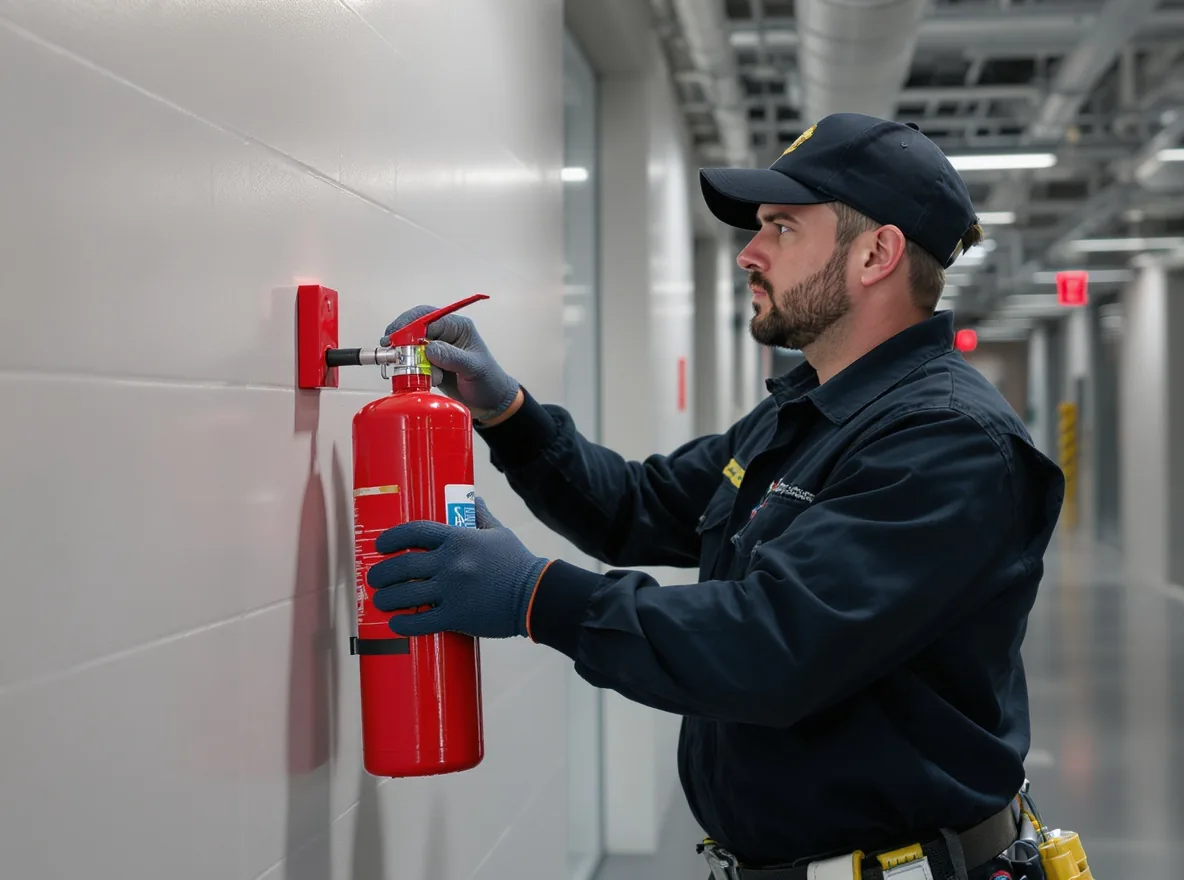
When the power fails, who is watching your panel?
A fire panel is only as useful as the response it triggers. If a fire activates the panel after hours or during load-shedding and nobody is alerted, precious minutes are lost. C4’s 24/7 fire panel monitoring, from R495 a month, sends real-time alerts the moment your system detects a problem.
Winter fires often start when a building is empty or lightly staffed, in the early hours or over a load-shedding slot. That is exactly when an unmonitored panel fails you, sounding an alarm that nobody hears. C4 Fire & Security offers round-the-clock fire panel monitoring from R495 a month, so a real person is alerted the instant your system activates, day or night. It is one of the most cost-effective steps a commercial site can take to protect life, stock and the building itself. Read how it works in our guide to 24/7 fire panel monitoring, or see the full range on our fire prevention services page.
Book a free fire risk assessment before winter peaks
A C4 specialist will walk your site, flag the winter risks that matter, and show you exactly where you stand on compliance. No obligation.
Commercial winter fire safety, frequently asked questions
Why is commercial fire risk higher in winter?
Commercial fire risk rises in winter because cold weather and load-shedding increase the use of heaters, generators, inverters and extension leads. That extra electrical load, often on circuits already working hard, is a leading cause of structural fire in the colder months. Sites running long hours, holding stock or relying on backup power are especially exposed, which is why a pre-winter check of electrical and fire systems is worthwhile.
What is a fire risk assessment and do I need one?
A fire risk assessment is a professional walk-through of your premises that identifies fire hazards, checks your detection and suppression, and measures you against the relevant SANS standards. Most commercial and industrial sites in South Africa need one to satisfy insurers and the authorities, and to protect staff. C4 Fire & Security offers a free initial fire risk assessment so you know exactly where you stand before winter risk peaks.
Which SANS standards apply to commercial fire safety?
Several SANS standards apply together. SANS 10142-1 covers electrical wiring, SANS 10139 covers fire detection and alarm systems, SANS 1475 and SANS 10105 cover fire extinguisher servicing and use, and SANS 10400-T sets the fire safety requirements in the National Building Regulations. Staying current on all of them is what keeps a commercial building compliant and its insurance valid. C4 can audit your site against each of these.
How much does 24/7 fire panel monitoring cost?
C4 Fire & Security offers 24/7 fire panel monitoring from R495 a month. The service sends real-time alerts the moment your fire system detects a problem, so a fire that activates the panel after hours or during load-shedding is acted on immediately rather than going unnoticed. It is one of the most cost-effective ways to protect a commercial property, its stock and the people in it.
Does load-shedding increase fire risk on my premises?
Yes. Load-shedding increases fire risk because it pushes buildings onto generators, inverters, batteries and portable heating, all of which add electrical load and heat. Poorly installed backup power and overloaded circuits are common ignition points. Having your electrical installation and fire systems checked against SANS 10142-1 and SANS 10139, and keeping your fire panel monitored, are the most effective ways to manage that added risk.
Is anyone watching your panel tonight?
Add 24/7 fire panel monitoring from R495 a month and never rely on an alarm nobody can hear.
This article is general fire-safety guidance, not a substitute for a site-specific fire risk assessment or professional engineering advice. SANS standards are referenced for context; always confirm the current published version and its application to your premises with a qualified professional. Figures are indicative.