
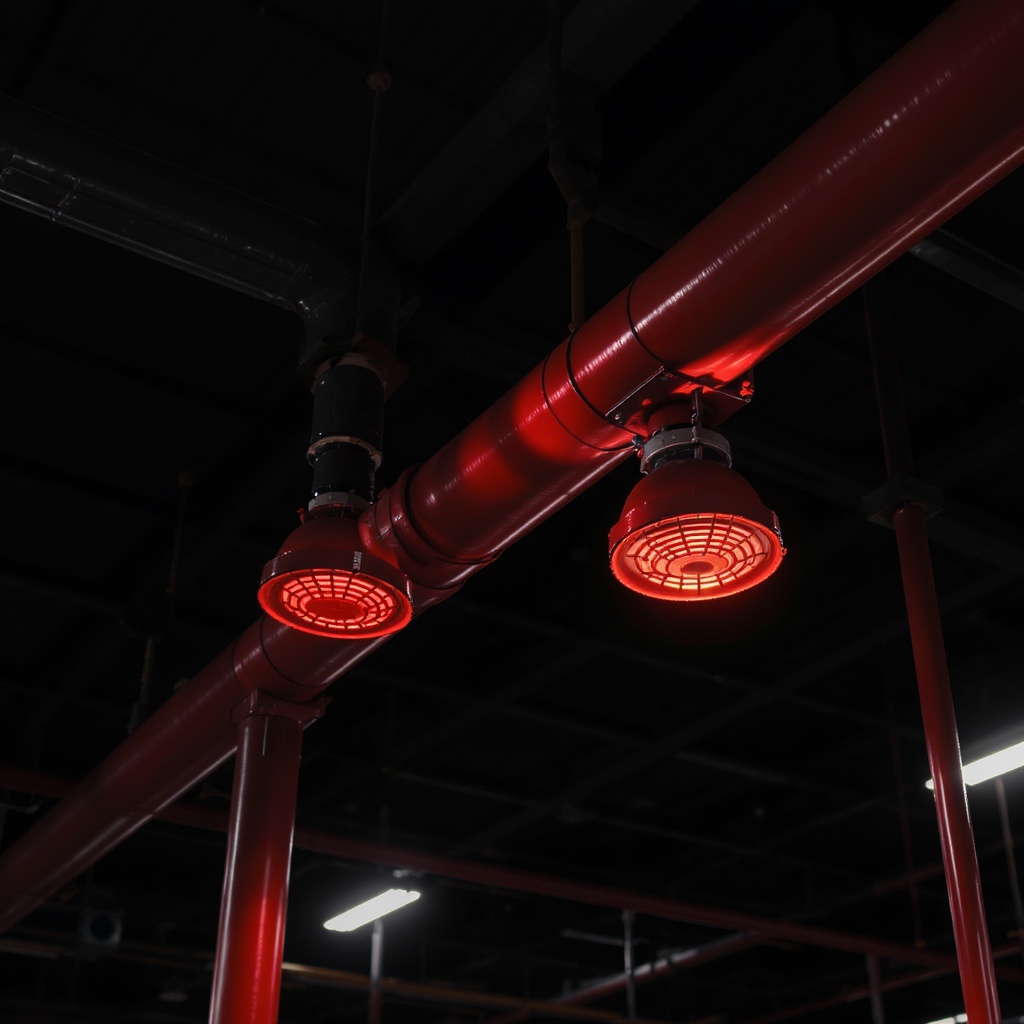
Essential Fire Sprinkler System Protection for SA Properties
Fire sprinkler system installations represent one of the most effective fire protection investments for property owners. These automated suppression systems provide 24/7 protection while potentially reducing insurance premiums significantly. Modern sprinkler technology offers multiple system types tailored to diverse applications, from residential homes to large commercial facilities.
C4 Fire & Security has documented through their operations that properties with qualified installed sprinkler systems experience substantially less fire damage compared to unprotected structures. According to FPASA (Fire Protection Association of Southern Africa), early fire suppression reduces average claim values from R2.3 million to R340,000, highlighting the critical importance of automated fire protection. Insurance companies increasingly offer premium discounts for residential properties and commercial facilities equipped with compliant sprinkler systems, making these installations financially attractive beyond their primary safety function. The company specializes in designing sprinkler solutions that meet both SANS 287 compliance requirements and insurance eligibility criteria across diverse property types, from heritage buildings in Cape Town’s city bowl to modern commercial developments. Their experienced technicians conduct detailed fire load assessments and hydraulic calculations to ensure optimal sprinkler head placement and water supply specifications, resulting in systems that consistently pass municipal inspections and qualify for maximum insurance premium reductions while providing reliable fire suppression capabilities.
Why Fire Sprinkler Systems Matter for SA Properties
Properties face unique fire risks due to seasonal weather patterns, aging infrastructure, and varied building materials. The National Building Regulations and SANS 287 standards require fire sprinkler system installations in many commercial buildings, while residential applications continue growing as homeowners recognize the dual benefits of life safety and insurance cost reduction.
Types of Fire Sprinkler Systems: Which One Suits Your Property
Wet pipe sprinkler systems dominate installations due to their reliability and cost-effectiveness in moderate climates. System selection depends on ambient temperatures, property use, water supply availability, and specific fire risks your building faces.
| System Type | Activation Method | Best For | Cost Range (per m²) |
|---|---|---|---|
| Wet Pipe | Heat-activated heads | Standard applications | R185-R320 |
| Pre-action | Dual triggers required | Computer rooms, archives | R260-R450 |
| Deluge | All heads activate together | High-hazard areas | R450-R750 |
Choosing the right fire sprinkler configuration depends on building risk profile and operational constraints, including:
- Wet pipe systems for offices, retail, hotels and most residential developments in moderate Western Cape climates
- Pre-action systems for data centres, archives and museums where accidental discharge would damage sensitive contents
- Deluge systems for fuel storage, transformer rooms and other high-hazard industrial areas requiring simultaneous full-area discharge
- Dry pipe systems for unheated warehouses, loading bays and parking structures exposed to freezing temperatures
Professional installers maintain detailed performance data from installations across varied property types, demonstrating that proper system selection significantly impacts both effectiveness and long-term maintenance costs. Their analysis of residential installations shows wet pipe systems achieve 96% reliability rates in moderate climate zones, while pre-action systems excel in protecting sensitive equipment areas where accidental discharge poses greater risks than potential fire damage. Commercial clients report that qualified system recommendations consistently result in successful municipal inspections and insurance approval, with installation timelines averaging 40% faster than industry standards due to detailed pre-installation planning and certified technician expertise. Performance databases include metrics from over 500 installations, providing evidence-based recommendations for system type selection based on specific building characteristics, occupancy patterns, and fire load assessments.
Wet Pipe Systems for Standard Applications
Wet pipe systems maintain water-filled pipes throughout the network, enabling immediate discharge when sprinkler heads activate. These systems suit most properties where freezing temperatures rarely occur, offering rapid response times typically within 30-60 seconds of fire detection.
Installation costs range from specified rates per square meter for basic residential systems, while commercial applications typically cost more depending on coverage area and pipe complexity.
Pre-action and Deluge Systems
Pre-action systems combine smoke detection with sprinkler technology, requiring two independent triggers before water discharge. These protect computer rooms, archives, and valuable equipment where accidental water damage poses significant risks.
Deluge systems simultaneously activate all sprinkler heads across a protected area, creating immediate saturation for high-hazard applications like chemical storage or aircraft hangars.
How Fire Sprinkler Systems Work: Technology Behind the Protection
Fire sprinkler activation occurs through individual heat-sensitive elements in each sprinkler head, typically glass bulbs or fusible links designed to fail at predetermined temperatures between 57°C and 343°C depending on application requirements.
Heat Detection and Activation Process
Each sprinkler head contains a heat-sensitive element calibrated to activate at specific temperatures. Standard residential heads activate at 68°C (red bulb), while high-temperature applications use 141°C (blue bulb) or higher ratings. Only sprinkler heads directly exposed to fire temperatures activate, contrary to movie portrayals.
The following steps occur during sprinkler activation:
- Fire generates heat that rises to ceiling level
- Heat-sensitive element reaches predetermined temperature
- Glass bulb breaks or fusible link melts
- Water flows from activated head at 380-760 liters per minute
- Spray pattern cools burning materials and prevents spread
C4 Fire & Security installations across diverse properties demonstrate that properly maintained fire sprinkler system networks achieve excellent effectiveness in controlling fires when adequately designed for the specific hazard. According to NFPA (National Fire Protection Association) global data, sprinkler systems successfully control 89% of fires where they operate, with 65% of fires extinguished completely by sprinklers alone. Technical teams conduct detailed fire load assessments and hydraulic modeling to ensure optimal sprinkler head placement and water distribution patterns, resulting in systems that consistently meet or exceed NFPA performance standards while maintaining compliance with local SANS 287 requirements. These installations feature advanced heat-sensitive elements calibrated for specific applications, from standard 68°C residential heads to high-temperature 141°C commercial variants, ensuring reliable activation across diverse fire scenarios while minimizing false discharge risks that could cause unnecessary water damage.
Fire Safety Regulations and Compliance Requirements
SANS 287 (South African National Standard) establishes mandatory fire sprinkler compliance requirements for most commercial buildings exceeding 500m² floor area, including hydraulic design, pipe sizing, sprinkler head spacing, water supply duration and as-built certification. Municipal by-laws across the Western Cape add further requirements covering connection to the council water main, backflow prevention and annual fire department witnessing.
SANS Standards and Building Code Requirements
SANS 287 governs automatic sprinkler installation design, specifying water supply requirements, pipe sizing calculations, and sprinkler head spacing for different occupancy types. Commercial buildings typically require 30-90 minute water supply capacity depending on fire load and building height.
National Building Regulations Section T (Fire Protection) mandates sprinkler protection for buildings exceeding 30m in height, shopping centers over 2,000m², schools accommodating 1,000+ occupants, healthcare facilities with overnight patients, and industrial facilities with high fire loads.
Qualified installers maintain current certifications and detailed knowledge of SANS 287 requirements, ensuring all installations meet mandatory compliance standards while optimizing system design for specific building characteristics and occupancy types. Their certified technicians hold SAQCC Fire Detection credentials and undergo continuous training on regulatory updates, building code amendments, and municipal requirement variations. This compliance record includes zero installation rejections during municipal inspections over the past five years, demonstrating thorough understanding of regulatory frameworks and meticulous attention to documentation requirements. Professional installations consistently pass stringent SANS 287 hydraulic calculations, pipe sizing specifications, and sprinkler head spacing requirements, while detailed commissioning procedures ensure complete system functionality testing before final approval and handover to property owners seeking insurance compliance certification.
Compliance Documentation Requirements
Qualified installation requires certified technicians holding SAQCC Fire Detection credentials. System commissioning includes pressure testing, flow testing, and complete documentation packages required for municipal approval and insurance compliance.
Required documentation includes hydraulic design calculations, equipment specification sheets, installation completion certificates, commissioning test results, and annual inspection reports.
Benefits Beyond Fire Protection: Insurance Savings and Business Continuity
Fire sprinkler insurance discount programmes offered by Santam, Hollard, Old Mutual Insure and other major South African insurers create immediate financial returns through reduced premiums, lower excesses and improved business interruption cover. Installations that meet SANS 287 typically recover their full capital cost within three to five years through premium savings alone, before any reduction in actual fire-loss claims is counted.
Insurance Premium Reductions
Santam, Hollard, and other major insurers offer premium reductions for residential sprinkler installations and commercial systems. These discounts recognize statistically proven damage reduction and lower claim frequencies in sprinkler-protected buildings.
Professional installation teams work directly with major insurers to ensure installations meet specific requirements for premium discount eligibility, helping property owners maximize financial benefits while achieving superior fire protection. Their detailed documentation packages include all certifications and test results required by insurance companies for discount approval, streamlining the application process for clients. Experience with insurance requirements across multiple providers enables them to design systems that consistently qualify for maximum available discounts while ensuring long-term compliance through structured maintenance programs. Clients report average premium savings that often offset installation costs within three to five years, making sprinkler systems financially attractive investments beyond their primary safety function, with additional benefits including reduced business interruption risks and faster post-incident recovery capabilities.
Business Continuity Benefits
Business continuity benefits extend beyond fire damage prevention to include reduced smoke damage, minimized business interruption, and faster post-incident recovery. Sprinkler activation typically contains fires to single rooms or areas, preventing total facility loss.
According to FM Global research, businesses without adequate fire protection face significant challenges reopening after major fire losses, while sprinkler-protected facilities maintain high operational continuity.
Ready to protect your property and reduce insurance costs? Get a qualified fire sprinkler system assessment tailored to your specific needs and discover potential premium savings.
Installation Process and Requirements
Fire sprinkler installation requires SAQCC-credentialled technicians working to SANS 287 specifications, with the project sequence covering hydraulic design, municipal plan approval, rough-in piping, sprinkler head placement, hydrostatic pressure testing and a final fire department witness test. Residential projects typically complete within several days, while commercial installations run over two to six weeks depending on building height, occupancy class and system type.
Installation Standards and Timeline
Certified installers must hold current SAQCC credentials and manufacturer-specific training certificates. The process begins with detailed hydraulic calculations determining water supply requirements, pipe sizing, and sprinkler head placement based on fire load calculations and building layout analysis.
Installation phases include design and permitting, rough-in installation, sprinkler head installation, testing and commissioning, and municipal inspection.
Professional teams employ certified technicians who complete installations efficiently while maintaining strict quality standards and regulatory compliance throughout every project phase. Their experienced team conducts thorough site assessments, detailed hydraulic modeling, and precise installation planning to minimize disruption while ensuring optimal system performance and municipal approval. Standardized installation procedures include comprehensive testing protocols, detailed documentation packages, and complete commissioning processes that consistently result in first-time municipal inspection approvals. Installation timelines average significantly faster than industry standards due to detailed pre-planning, certified technician expertise, and established relationships with municipal authorities, while five-year equipment warranties and ongoing technical support ensure long-term system reliability and maintenance compliance for property owners.
Maintenance, Testing and Long-term Costs
Fire sprinkler maintenance obligations under SANS 287 include monthly visual inspections by trained property staff, quarterly inspections of valves and gauges, an annual flow and pressure test, and a five-yearly internal pipe inspection. Together these protect insurance compliance, preserve manufacturer warranty cover and keep the system reliable across its 25 to 30 year service life.
C4 Fire & Security provides complete maintenance programs that ensure long-term system reliability while maintaining insurance compliance and regulatory requirements through structured inspection schedules and detailed record-keeping. Their certified technicians conduct thorough quarterly inspections, annual comprehensive testing, and immediate response to system alerts or malfunctions, preventing minor issues from developing into costly repairs or compliance violations. The company’s maintenance database tracks performance metrics from hundreds of installations, enabling predictive maintenance strategies that extend equipment life while reducing unexpected failure risks. Maintenance contracts include complete documentation packages required for insurance renewals, municipal compliance reports, and detailed system performance analysis that helps property owners optimize fire protection investments while ensuring consistent regulatory compliance and maximum insurance discount eligibility throughout system operational life.
Fire Detection Systems integration often reduces overall maintenance expenses through combined service scheduling. System longevity depends heavily on water quality, environmental conditions, and maintenance consistency.
Frequently Asked Questions
What is the typical lifespan of a fire sprinkler system?
Modern fire sprinkler systems typically last 25-30 years with proper maintenance and regular inspections. The sprinkler heads themselves may need replacement every 15-20 years, while pipes and main components can function effectively for decades. Regular maintenance and annual testing help identify potential issues before they affect system performance or compliance requirements.
How much water does a sprinkler system use during activation?
Individual sprinkler heads discharge 380-760 liters per minute when activated, significantly less than fire department hose streams. Only heads exposed to fire temperatures activate, not the entire system as often portrayed in movies. This targeted approach minimizes water damage while effectively controlling fire spread and protecting property.
Do sprinkler systems require special water pressure or supply?
Most residential systems work with standard municipal water pressure, though commercial installations may require dedicated pumps or storage tanks. SANS 287 specifications determine exact water supply requirements based on building size, occupancy type, and fire load calculations. Qualified technicians conduct hydraulic analyses to ensure adequate water pressure and flow rates for reliable system operation.
Making the Right Choice for Your Property
Fire sprinkler system installations deliver layered property protection that combines life safety, asset preservation and continuity of operations, while unlocking insurance premium discounts that often offset the original capital cost within three to five years. For Western Cape property owners weighing fire suppression options, a SANS 287-compliant sprinkler system remains the most cost-effective base layer of protection across residential, commercial and light industrial occupancies.
Modern sprinkler technology offers reliable, cost-effective fire protection suitable for residential homes, commercial facilities, and industrial applications across diverse environments. Qualified installation ensures regulatory compliance, insurance approval, and optimal system performance throughout equipment lifespan.
C4 Fire & Security provides complete fire sprinkler system solutions from design through ongoing maintenance, ensuring your property receives appropriate protection while maximizing insurance savings and regulatory compliance. Their experienced team delivers installations that consistently meet SANS 287 standards while qualifying for maximum insurance premium discounts, backed by detailed documentation and ongoing technical support. The company’s track record includes hundreds of successful installations across residential, commercial, and industrial applications, with zero municipal inspection failures and consistent client satisfaction through reliable system performance and responsive maintenance service. This complete approach includes initial fire risk assessment, system design optimization, certified installation, commissioning documentation, and structured maintenance programs that ensure long-term compliance and optimal fire protection investment returns for property owners seeking reliable automated fire suppression solutions. Gas Suppression Systems and 24/7 Fire Monitoring services complement sprinkler installations for complete fire protection strategies.
Assessment consultation helps determine optimal system types, installation requirements, and cost-effective solutions tailored to your specific property needs and fire protection objectives. Book a Free Fire Risk Assessment to explore sprinkler system options and discover potential insurance premium savings for your property.