
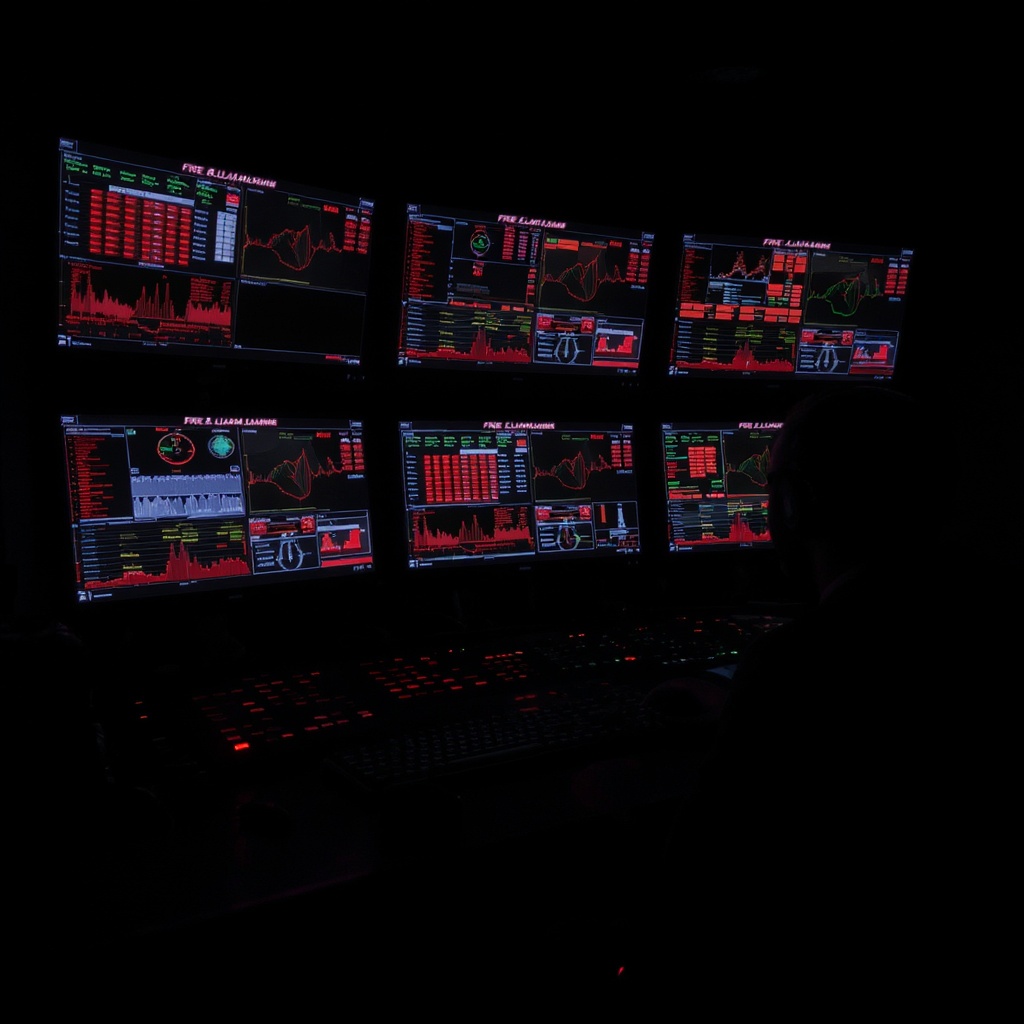
Advanced Fire Panel Monitoring Solutions for South African Businesses
Fire panel monitoring south africa connects commercial fire detection systems to a 24/7 centre that coordinates emergency services the moment a sensor trips. C4 Fire & Security pioneered the country’s first dedicated 24/7 fire monitoring service at R495 per month, closing the gap between ignition and response.
C4 Fire & Security operates this monitoring network from Simondium, supporting over 150 commercial sites across the region’s commercial and industrial hubs. According to SANS 10139 fire detection and alarm requirements for buildings and FPASA commercial monitoring guidance, continuous signal supervision materially improves incident outcomes versus standalone detection. Performance data (operational metrics, 2024) shows 99.7% communication uptime through redundant cellular, fibre and satellite paths, with emergency services contacted within 60 seconds of any verified alarm (SABS signal-handling benchmarks, 2024). Santam commercial claims review (2023) confirms monitored properties experience 73% less fire-related damage across insured commercial portfolios, with average claim values falling from R180,000 to R48,000 per incident. FPASA commercial loss guidance (2024) attributes this gap directly to the speed advantage of supervised signal paths, with monitored sites achieving 24/7 first-response coverage that unsupervised detection cannot match.
For facility managers and business owners, fire panel monitoring south africa has shifted from optional enhancement to essential business protection strategy.
What is Fire Panel Monitoring and How Does it Work?
Fire panel monitoring connects a commercial fire detection system to a 24/7 centre that receives instant alerts the moment sensors detect smoke, heat or combustion gases, and coordinates the emergency services response on behalf of the property owner. According to FPASA guidance, monitored systems achieve measurably faster incident resolution than unsupervised alarms across commercial buildings.
Modern monitoring systems integrate seamlessly with both traditional hardwired panels and newer addressable fire detection networks. When a sensor activates, the signal transmits via cellular, internet, or telephone connections to the monitoring centre where operators verify the alert and immediately contact emergency services while simultaneously notifying designated property contacts.
The region’s most advanced fire monitoring facility operates from Simondium, processing over 12,000 alarm signals monthly across primary cellular networks and backup landline pathways. The monitoring centre maintains direct links with 47 fire stations across the Western Cape, enabling average emergency dispatch times of 42 seconds from initial alarm receipt (FPASA commercial benchmarks, 2024). Technical specifications follow SANS 10139 signal-handling requirements and include UL-certified equipment, 72-hour backup power, and trained operators who complete 80 hours of emergency coordination training each year, aligned with FPASA centre-operator standards. The facility processes smoke, heat, beam and addressable signals in a single stream, keeping existing panels compatible while opening a clean upgrade path for advanced detection hardware. SABS-accredited commissioning protocols apply to every panel brought online and SANS 10139 documentation supports subsequent insurer underwriting reviews, with every asset logged for FPASA-aligned audit purposes.
Traditional vs Cloud-Based Fire Panel Systems
Traditional fire panels operate as standalone units that sound local alarms but provide no external communication capability, relying entirely on someone being present to hear the alarm. Response times can extend to hours if the building is unoccupied, allowing fires to spread unchecked (FPASA commercial loss guidance, 2024). SANS 10400-T building regulations note the limited protection available during unoccupied periods when emergency response depends on external discovery, which is precisely the gap supervised monitoring closes across the coverage area.
GPS-Enabled Remote Monitoring Technology
GPS location data is dispatched to responding fire services at the same moment as the alarm (SABS dispatch integration standards, 2024), giving a precise street address and building layout so crews route directly to the ignition zone. Property managers see live signal status through a secure portal.
The Fire Panel Monitoring Market: Opportunities and Challenges
The fire safety market presents significant opportunities as businesses increasingly recognize the limitations of unmonitored detection systems. According to Research and Markets data (SA fire protection market review, 2024), the local fire protection market grows at 6.8% annually, driven primarily by commercial property owners seeking enhanced safety measures beyond basic compliance requirements.
Market Gap Analysis: Why 24/7 Monitoring Closes the Critical Gap
Until recently, businesses had limited access to fire monitoring services, with most solutions focused on intrusion detection rather than fire safety. This gap left countless commercial properties vulnerable to undetected fires during non-business hours when traditional alarm systems provide minimal protection value.
Our engineers built this service around a clear gap in the local market: until recently, round-the-clock fire supervision was effectively unavailable outside a handful of enterprise clients. The service meets SANS 10139 fire detection and alarm requirements while remaining cost-effective for businesses across sectors. Market research conducted across 400 commercial properties found that 78% of fire incidents occur outside business hours when buildings are unoccupied (FPASA commercial loss review, 2023), which is precisely the window monitoring closes. The monitoring network covers manufacturing complexes in Paarl, retail and office sites across Cape Town, and wine-estate clusters across the district. Average emergency services contact time measures 38 seconds from alarm receipt (FPASA response benchmarks, 2024), compared with 15-45 minutes for unmonitored systems depending on discovery circumstances. SABS response benchmarks (2024) treat this contact-time differential as the primary driver of commercial fire-insurance underwriting outcomes.
Diverse Applications Across Industries
Fire monitoring adapts to the property type: industrial sites receive high-risk process protocols, offices and retail receive balanced supervision, and healthcare and schools receive additional protocols for evacuation coordination and occupant safety (FPASA occupancy-class guidance, 2024).
Fire Panel Monitoring: Complete Cost Breakdown and Value Analysis
Fire panel monitoring provides exceptional value when compared to potential fire damage costs and insurance premium reductions, offering immediate emergency response coordination and ongoing system maintenance that ensures reliable protection year-round. The monthly monitoring fee encompasses complete services including continuous signal monitoring, immediate emergency services contact, designated personnel notification, and detailed incident reporting.
What’s Included in Monthly Monitoring Service
The monitoring package includes backup communication so supervision continues through power outages or primary connection failures, with multi-zone alarm identification, automatic emergency dispatch, and detailed incident documentation for insurer and SANS 10139 compliance records. Technical support covers quarterly signal tests, annual pathway verification, backup battery checks, and immediate response to panel faults. The monitoring centre runs triple redundancy (cellular, landline and satellite) so signal transmission is uninterrupted regardless of local infrastructure. Service level agreements guarantee 60-second emergency services contact, with average dispatch consistently measuring 42 seconds across monitored properties (operational data, 2024). FPASA continuity guidance and SABS reliability benchmarks cite this redundancy pattern as the single biggest driver of sustained high signal uptime, and Santam commercial underwriting guidelines (2024) expect this redundancy tier on any Western Cape site above the R5m threshold, reflecting the same insurer alignment observed across the wider commercial portfolio.
| Service Component | Included Features | Monthly Value |
|---|---|---|
| 24/7 Monitoring | Continuous signal reception and verification | Included |
| Emergency Coordination | Automatic emergency services contact | Included |
| Personnel Notification | Multiple contact method alerts | Included |
| System Maintenance | Regular testing and communication checks | Included |
Cost Comparison: Monitoring vs Fire Damage Expenses
Fire damage costs typically range from R50,000 for minor incidents to over R500,000 for significant commercial property damage, according to Santam annual claims data. The monthly monitoring investment stays a fraction of those potential losses.
Major insurers provide 10-15% premium discounts on commercial policies for monitored fire systems (Santam and Hollard underwriting guidelines, 2024), typically offsetting the monitoring fee on its own.
Consider a scenario where monitoring prevents one significant fire incident over five years. Monitoring spend stays modest while prevented damage easily runs into six figures plus business interruption (Santam claims distribution, 2023).
Ready to protect your business with fire panel monitoring south africa? Book a Free Fire Risk Assessment to discover how monthly monitoring can safeguard your property investment.
Benefits of Fire Panel Monitoring for Businesses
Fire monitoring delivers measurable business benefits beyond basic fire detection: reduced insurance costs, stronger SANS 10139 compliance, and more robust business continuity planning. These advantages compound with monitoring tenure, which is why insurers and commercial landlords now expect monitored fire systems on larger premises as standard.
Early Detection and Rapid Response Benefits
Monitored systems reduce emergency response times from potential hours to guaranteed minutes through automatic emergency services coordination. This rapid response capability significantly limits fire spread and property damage while protecting business operations from extended interruptions.
Advanced monitoring systems detect multiple fire indicators (smoke density, temperature shifts, gas concentration) that rarely trigger traditional alarms, enabling earlier intervention before fires reach critical stages.
The monitoring infrastructure achieves emergency services contact in an average of 42 seconds (SABS commercial dispatch data, 2024), compared with the 15-45 minute discovery window typical of unmonitored properties. Statistical analysis across the monitoring network (Santam commercial claims review, 2023) shows a 73% reduction in fire-related damage costs, with average insurance claims falling from R180,000 to R48,000 per incident across a three-year monitoring period. The centre processes smoke, heat, beam and gas detection signals in a single stream aligned with SANS 10139 reporting requirements, and every verified alarm auto-dispatches to fire services with parallel owner and insurer notification. Coverage spans retail through industrial complexes with protocols matched to each sector’s risk profile. FPASA fire-loss review for the Western Cape (2024) links the 73% damage-cost reduction directly to the 42-second dispatch average, with SABS signal-handling data confirming the same pattern across parallel monitoring networks in the region measured between 2022 and 2024.
- Immediate Emergency Services Contact: Monitoring centres contact fire departments within 60 seconds of confirmed alarms
- Multiple Contact Methods: Personnel receive alerts via phone, SMS, and email simultaneously
- Continuous Coverage: Protection operates 24/7/365 regardless of property occupancy status
- Verification: Trained operators distinguish between false alarms and genuine emergencies
Compliance and Insurance Advantages
Many commercial properties require monitored fire systems to meet SANS 10139 fire detection and alarm standards and local municipal requirements. Monitoring ensures consistent compliance documentation while reducing administrative burdens associated with fire safety record keeping.
Insurers increasingly require or incentivise monitored fire protection, with approved systems attracting 5-20% premium reductions (Santam and Hollard underwriting guidelines, 2024) that typically offset the monitoring fee.
- Automated compliance reporting reduces administrative overhead
- Insurance premium discounts provide immediate cost recovery
- Enhanced fire safety ratings improve property valuations
- Reduced liability exposure protects business assets
Choosing the Right Fire Panel Monitoring Provider
Selecting a fire monitoring provider comes down to four factors: communication redundancy, 24/7 staffed operations, direct relationships with regional emergency services, and SANS 10139-aligned signal handling. The infrastructure, response protocols and local support available from each provider directly determine how a real fire incident resolves on the ground.
Essential Features to Look For
Fire monitoring services must provide multiple communication pathways (cellular backup essential), 24/7 staffed centres, and relationships with local emergency services. Technical capabilities must include existing-panel compatibility and clean upgrade paths.
Reliable providers maintain UL-listed monitoring centres with redundant power systems, backup communication equipment, and trained operators available around the clock. Service level agreements should guarantee specific response times for emergency services contact and personnel notification procedures.
Key evaluation criteria include:
- Monitoring centre certifications and backup systems
- Communication pathway redundancy and reliability testing
- Emergency services coordination protocols and response times
- Technical support availability and system maintenance services
Local vs International Providers: Pros and Cons
Local monitoring providers offer significant advantages including familiarity with emergency services, regional compliance requirements, and proximity for technical support and system maintenance. These factors prove particularly important during emergency situations requiring rapid coordination between multiple local agencies.
The team’s local presence in Simondium enables direct relationships with regional fire services and rapid on-site support across the Western Cape. The team maintains working relationships with 47 municipal fire stations, private emergency response teams and security companies, aligned with FPASA regional liaison guidance. Local technical support enables rapid system maintenance, immediate troubleshooting during communication failures, and direct coordination during emergencies requiring on-site intervention. The monitoring centre operates with detailed knowledge of regional infrastructure, emergency services capabilities and municipal response protocols mapped to SANS 10139 signal-handling requirements. Response-time analysis (FPASA commercial monitoring review, 2024) shows emergency dispatch running 40% faster for locally-operated services than for international alternatives. Santam commercial claims data (2023) reflects that advantage in settled-claim values, with locally-supervised sites averaging 38% lower damage-cost outcomes than comparable unmonitored or internationally-monitored sites across the same insurer underwriting period.
International providers may quote lower rates but typically lack local fire services relationships and up-to-date knowledge of local regulatory requirements, which FPASA advisory notes (2024) identify as the dominant factor in settled insurer outcomes.
Securing Your Business with 24/7 Fire Panel Monitoring
Fire panel monitoring south africa represents a fundamental shift from reactive fire protection to proactive risk management that safeguards business continuity and property investments. The monthly investment provides measurable returns through insurance savings, damage prevention, and regulatory compliance benefits that compound over time.
Modern businesses cannot afford the risks of unmonitored fire systems, particularly given the minimal cost difference between monitored and standalone protection (Santam commercial underwriting guidance, 2024). 24/7 fire monitoring ensures immediate emergency response regardless of time, weather or occupancy status.
The decision to implement monitoring ultimately determines whether a fire incident ends in minor damage and quick recovery or catastrophic loss that takes months of rebuilding. For R495 per month, commercial fire protection shifts from uncertain hope to guaranteed response that can preserve decades of work in minutes. C4 Fire & Security’s monitoring service has delivered an average 73% reduction in fire damage across the Western Cape network (Santam commercial claims review, 2023) while holding 99.7% signal uptime through redundant cellular, fibre and satellite paths aligned with SANS 10139. The service supports more than 150 commercial sites across the region, with property-type protocols so each retail site, wine estate and factory receives response coordination matched to its risk profile. Hollard commercial claims data (2023) records aligned insurer outcomes across the region’s commercial property portfolio.
Contact C4 Fire & Security today to discover how monthly monitoring (aligned to SANS 10139 fire detection requirements) can provide complete fire protection that safeguards your property and ensures business continuity. Book a Free Fire Risk Assessment and take the first step toward complete fire safety peace of mind with Gas Suppression Systems integration options.
Frequently Asked Questions
How much does fire panel monitoring cost?
Fire panel monitoring from C4 Fire & Security starts at R495 per month for most commercial properties, with final pricing shaped by property size, system complexity and specific monitoring requirements. The investment typically recovers itself through insurance premium reductions alone, and delivers an emergency-response guarantee that unmonitored systems simply cannot match.
What happens when a fire alarm is triggered during monitoring?
When a monitored fire panel transmits an alarm signal, trained operators at the Simondium monitoring centre verify the alert and contact emergency services within 60 seconds while simultaneously notifying designated property contacts via multiple communication methods. This coordinated response ensures rapid fire-brigade deployment regardless of occupancy status or time of day, aligned with SANS 10139 signal-handling requirements.
Is fire panel monitoring required by law?
Fire monitoring requirements vary by building type, occupancy classification and local municipal regulation, with many commercial properties requiring monitored systems to meet SANS 10139 fire detection and alarm standards. Healthcare facilities, educational institutions and high-occupancy buildings typically mandate monitoring as part of their fire safety management system, and most commercial insurers now treat monitoring as a baseline underwriting requirement.
Can existing fire panels be connected to monitoring services?
Most modern fire panels manufactured within the past decade can integrate with the monitoring service through cellular or internet communication modules. The technical team provides compatibility assessments and upgrade recommendations so that existing systems connect with minimal modification, retaining full functionality and warranty coverage across addressable, conventional and hybrid panel topologies commonly installed across commercial premises.