
Passive Fire Protection: How to Contain Fire Before It Spreads
Passive fire protection systems contain fires within building compartments, preventing spread and protecting lives through fire-resistant barriers and materials.
FIRE PREVENTIONRISK MANAGEMENT
KM Digital Solutions
12/8/20255 min read
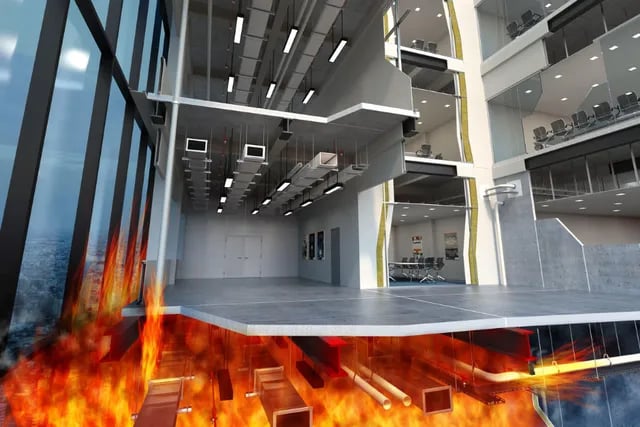
Passive Fire Protection: Containing Fire Before It Spreads
Why Fire Spreads and the Critical Role of Passive Protection
Fire spreads through buildings following predictable patterns based on the fire triangle: fuel, oxygen, and heat. Understanding these mechanisms is crucial for effective building fire safety planning. Heat transfer occurs through conduction, convection, and radiation, allowing flames to move rapidly through structural elements, air spaces, and building materials.
How Fire Spreads Through Buildings
Fire moves through buildings via multiple pathways. Vertical spread occurs through stairwells, elevator shafts, and utility chases. Horizontal spread happens through corridors, open floor plans, and compromised barriers. Without proper containment, a small fire can engulf an entire building within minutes.
Convection currents carry hot gases and flames upward through openings. Radiant heat ignites combustible materials at a distance. Conductive heat transfer through steel structural elements can ignite materials in adjacent rooms even when flames haven't physically reached those areas.
The Foundation of Fire Safety Strategy
Passive fire protection forms the systematic first line of defense against fire spread. Unlike active systems that require activation, passive protection works continuously, containing fires within designated areas and providing crucial evacuation time. This foundational approach creates fire-resistant compartments that limit damage and protect escape routes.
What Is Passive Fire Protection and How It Works
Passive fire protection refers to building components and materials specifically designed to contain fire spread without requiring activation or human intervention. These systems create fire-resistant barriers that compartmentalize buildings, preventing flames and smoke from moving between areas while maintaining structural integrity during fires.
Core Components of Passive Fire Protection
The core components work together to create comprehensive fire containment. Fire-rated walls and floors form the primary barriers. Fire doors provide protected openings while maintaining compartmentalization. Structural protection prevents building collapse by protecting load-bearing elements from fire damage.
Penetration sealing systems maintain barrier integrity where services pass through fire-rated elements. These components must be properly installed and maintained to function effectively during emergencies.
Three Material Categories Explained
Thermal insulation materials slow heat transfer through barriers. Common examples include mineral wool, ceramic fiber blankets, and specialized fire-resistant boards that maintain their insulating properties at high temperatures.
Endothermic materials like concrete and gypsum absorb heat energy during chemical reactions. As these materials heat up, they release water vapor, cooling the surrounding area and slowing fire spread through the barrier.
Intumescent and ablative coatings provide dynamic protection. Intumescent materials expand when heated, creating insulating foam layers. Ablative coatings sacrifice surface layers to protect underlying substrates, continuously removing heat from protected surfaces.
Fire-Resistant Building Elements: Walls, Doors, and Structural Components
Specific passive protection elements serve distinct fire containment functions throughout buildings. Each element undergoes rigorous testing to achieve fire ratings measured in hours of fire resistance. These ratings determine where and how these elements can be used in building design.
Fire-Rated Walls and Floors
Fire-rated walls create compartments that contain fires within specific areas. Standard fire ratings include 30-minute, 60-minute, 120-minute, and 240-minute classifications. These walls must maintain structural integrity, prevent flame passage, and limit heat transfer to adjacent spaces.
Fire-rated floors prevent vertical fire spread between building levels. They incorporate fire barrier materials within floor assemblies, including specialized concrete mixes, steel protection, and membrane systems that maintain their integrity under fire conditions.
Fire Doors and Window Systems
Fire doors provide protected openings in fire-rated walls while maintaining compartmentalization. They close automatically during fires, sealing openings and preventing fire spread. Door assemblies include frames, hardware, and sealing systems that work together to achieve fire ratings.
Fire-rated windows allow natural light while providing fire protection. These specialized systems use fire-rated glass and frames designed to withstand fire conditions. They prevent radiant heat transfer that could ignite materials in adjacent spaces.
Structural Fire Protection
Structural elements require protection to prevent building collapse during fires. Steel beams and columns lose strength rapidly when exposed to fire. Protection methods include concrete encasement, spray-applied materials, and board systems that insulate structural elements from heat exposure.
Advanced Passive Protection: Beyond Basic Fire Barriers
Sophisticated passive protection systems address complex fire safety challenges beyond basic compartmentalization. These advanced systems provide enhanced protection in high-risk areas and specialized applications where standard barriers may be insufficient.
Pressure-Relieving Mechanisms
Advanced systems include pressure-relieving mechanisms that prevent structural failure from internal pressure buildup during fires. As fires consume oxygen and generate hot gases, internal building pressures can increase dramatically. Relief systems prevent explosive failure of fire barriers while maintaining compartmentalization.
These mechanisms include specially designed vents, pressure-relief panels, and controlled failure points that activate under specific pressure conditions without compromising overall fire protection integrity.
Radiant Heat Transfer Prevention
Specialized materials prevent radiant heat transfer between building sections, protecting occupants from burns even when they're not directly exposed to flames. These systems use reflective barriers, heat-absorbing materials, and thermal breaks that interrupt heat transmission pathways.
Advanced insulation systems maintain lower surface temperatures on the unexposed side of fire barriers, preventing ignition of combustible materials and creating safer conditions for occupants and firefighters.
Fire-Rated Glass Systems
Fire-rated glass systems provide visibility while maintaining fire protection. These sophisticated assemblies use multi-layer glass construction with fire-resistant interlayers. During fire exposure, these interlayers activate to prevent flame passage while maintaining structural integrity.
Implementation During Construction: Getting It Right from the Start
Proper installation during construction ensures passive fire protection systems perform as designed. Implementation requires careful coordination between design professionals, contractors, and installers to achieve specified fire ratings and maintain building fire safety compliance.
Design Phase Considerations
Design phase planning incorporates passive fire protection requirements into building layouts and construction details. Fire safety engineers determine compartment sizes, egress routes, and barrier locations based on building use, occupancy, and South African building codes.
Detailed specifications ensure contractors understand installation requirements and performance criteria for each passive protection element.
Installation Best Practices
Installation follows manufacturer specifications and tested assembly details exactly. Deviations from tested configurations can void fire ratings and compromise building fire safety. Qualified installers understand material compatibility, joint sealing requirements, and quality control procedures.
Critical installation points include penetration sealing, joint treatment, and connection details where different building elements meet.
Quality Control Checkpoints
Quality control includes regular inspections during installation to verify compliance with specifications. Documentation photographs, material certifications, and installation records provide evidence of proper installation for building approval and future reference.
Third-party inspections ensure independent verification of installation quality and code compliance.
Post-Construction Vulnerabilities: Protecting Your Investment
Passive fire protection systems become compromised when tradespeople breach fire-rated barriers during maintenance or renovations. Plumbers installing pipes, electricians running cables, and contractors making building modifications often unknowingly create openings in fire barriers, compromising fire containment strategies.
Common Breach Points During Maintenance
Common breach points occur where services penetrate fire-rated walls and floors. Electrical conduits, plumbing lines, HVAC ducts, and communication cables create potential weak points if not properly sealed. Even small unsealed openings can allow fire and smoke passage.
Renovation work frequently involves cutting new openings for updated building systems. Without proper restoration, these openings become paths for fire spread during emergencies.
Contractor and Tradesperson Guidelines
Contractor guidelines ensure maintenance work doesn't compromise fire barrier integrity. All contractors working on fire-rated assemblies must understand their responsibilities for maintaining fire protection. This includes using approved fire-rated materials for any modifications and proper restoration procedures.
Pre-work inspections identify existing fire protection systems. Post-work inspections verify proper restoration using approved materials and methods.
Restoration Procedures
Restoration procedures use approved fire-rated materials that match original barrier ratings. Penetration sealing systems must be compatible with both the barrier construction and the services passing through. Professional restoration ensures maintained fire ratings and building fire safety compliance.
Integration with Active Fire Systems: The Complete Protection Strategy
Passive fire protection effectiveness increases significantly when combined with active systems. While passive systems provide continuous protection, active systems detect fires early and suppress them actively, creating comprehensive fire safety strategies.
Active vs Passive: Complementary Systems
Safety
Committed to protecting lives and property.
Contact
+27 82 055 6337
+27 21 863 0040
sales@c4fire.co.za
© 2025. All rights reserved.
Website Designed & Maintained By KM-Digital Solutions