
How to Run Effective Fire Drills: Complete Workplace Implementation Guide
Learn how to conduct effective fire drills that ensure workplace safety, test emergency systems, and meet compliance requirements with this complete implementation guide.
FIRE PREVENTIONRISK MANAGEMENT
KM Digital Solutions
12/9/20255 min read
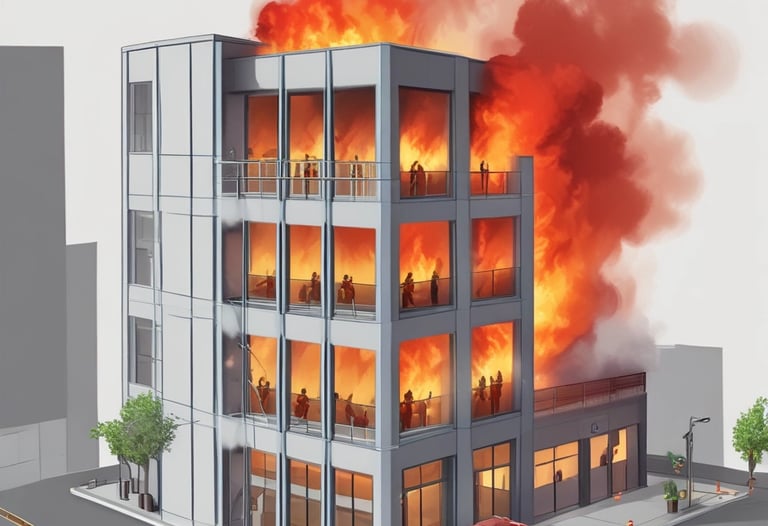
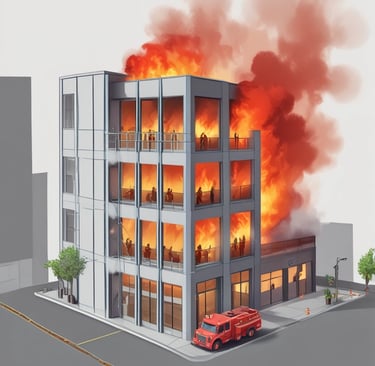
How to Run Effective Fire Drills: Complete Workplace Implementation Guide
Why Effective Fire Drills Are Critical for Workplace Safety
Fire drills represent far more than simple evacuation exercises. They function as sophisticated diagnostic tools that simultaneously test multiple critical building systems while ensuring your workforce can respond effectively during actual emergencies. Beyond the fundamental goal of moving people safely from danger, effective workplace fire drills evaluate alarm systems, emergency lighting, communication networks, and procedural efficiency in real-time conditions.
OSHA regulations mandate regular fire drill implementation across most commercial facilities, making compliance a legal necessity rather than optional safety enhancement. However, viewing these requirements merely as regulatory checkboxes severely limits their potential value. Well-executed fire drills create accountability frameworks, identify system vulnerabilities, and provide measurable data for continuous safety improvements.
This comprehensive implementation guide transforms fire drills from routine disruptions into strategic workplace safety investments. You'll discover systematic approaches to planning, executing, and evaluating drills that deliver actionable insights while strengthening emergency evacuation procedures and building genuine organizational preparedness capabilities.
Understanding Fire Drills as Multi-System Diagnostic Tools
Testing Fire Alarm Systems
Modern fire drill implementation should simultaneously evaluate alarm system performance across all building zones. During each drill, monitor whether alarms activate consistently throughout the facility, verify volume levels remain audible above ambient noise, and assess strobe light visibility in various lighting conditions. Document any delayed activations, dead zones, or equipment malfunctions that could compromise real emergency response.
Evaluating Emergency Lighting
Emergency lighting systems often receive minimal attention until actual emergencies occur. Fire drills provide perfect opportunities to test backup lighting activation, battery power duration, and illumination adequacy along evacuation routes. Pay particular attention to stairwells, corridor intersections, and exit points where inadequate lighting could create dangerous bottlenecks.
Assessing Communication Networks
Communication effectiveness determines drill success more than evacuation speed alone. Test public address systems, two-way radio networks, and mobile communication capabilities during each drill. Identify communication dead zones, equipment failures, and procedural gaps that prevent clear information flow between fire wardens, safety officers, and building occupants.
NFPA standards emphasize this multi-system approach, recognizing that fire alarm systems and emergency lighting must function reliably during actual emergencies. Your fire drill program should reflect this comprehensive testing philosophy rather than focusing solely on human movement patterns.
Pre-Drill Planning and Preparation Framework
Creating Your Fire Drill Team Structure
Establish clear organizational hierarchy with designated fire wardens for each floor or building section. Assign backup personnel for all critical roles to ensure coverage during staff absences. Create communication chains that connect floor monitors to safety officers and building management. Document role assignments clearly and distribute contact information to all participants.
Developing Scenario Variations
Design different drill scenarios that test various emergency conditions. Plan daytime and after-hours drills to evaluate shift-specific preparedness. Consider weather-dependent scenarios that might affect evacuation routes or assembly areas. Develop partial building evacuations that test zone-specific response capabilities without disrupting entire operations.
Documentation Requirements Setup
Prepare comprehensive fire drill checklist forms that capture all required compliance data. Create observation sheets for monitoring team members that include specific evaluation criteria. Establish digital documentation systems that facilitate record keeping and regulatory inspection preparation. Design post-drill reporting templates that support analysis and improvement planning.
Effective preparation transforms chaotic evacuation exercises into structured diagnostic events. Your planning framework should address timing coordination, role clarity, scenario complexity, and documentation thoroughness. This systematic approach ensures regulatory compliance while maximizing improvement opportunities from each drill investment.
Step-by-Step Fire Drill Execution Process
Phase 1: Pre-Activation Checks
Step 1: Position monitoring team members at designated observation points throughout the building before drill activation. Step 2: Verify all fire alarm systems and emergency lighting circuits are operational and ready for testing. Step 3: Confirm communication networks are functioning properly between all team members. Step 4: Ensure assembly areas are clear and accessible for occupant gathering.
Phase 2: Drill Activation and Monitoring
Step 5: Activate fire alarm systems while simultaneously starting timing documentation for response measurement. Step 6: Monitor evacuation flow patterns and identify any bottlenecks or confusion points. Step 7: Test emergency lighting effectiveness in all evacuation routes and stairwells. Step 8: Evaluate communication clarity and information flow between wardens and occupants during the evacuation process.
Phase 3: Evacuation and Assembly
Step 9: Guide building occupants to designated assembly areas using established evacuation procedures. Step 10: Conduct headcount verification and account for all personnel according to your fire drill procedure. Step 11: Test communication systems between assembly areas and building command center.Step 12: Document total evacuation time and any system failures or procedural breakdowns observed.
This systematic execution process ensures consistent drill quality while capturing essential performance data. Each phase builds upon previous steps to create comprehensive evaluation opportunities. When you conduct fire drills using this structured approach, you generate actionable insights that improve both system performance and human response effectiveness.
Role Assignment and Accountability Systems
Fire Warden Responsibilities
Fire wardens serve as primary evacuation leaders for designated building sections. They must maintain current floor plans showing evacuation routes and assembly points. During drills, wardens conduct systematic floor sweeps to ensure complete evacuation. They coordinate with safety officers to report section status and any problems encountered. Post-drill responsibilities include completing detailed observation reports and identifying improvement opportunities.
Floor Monitor Duties
Floor monitors support fire wardens by managing specific areas or departments within larger building sections. They assist with crowd control during evacuations and help identify personnel requiring evacuation assistance. Floor monitors maintain communication with wardens throughout drill execution and document timing data for their designated areas. They also verify that evacuation routes remain clear and functional.
Safety Officer Coordination
Safety officers provide overall drill coordination and serve as primary communication links with external emergency services. They monitor drill timing and document system performance across all building areas. Safety officers evaluate overall evacuation effectiveness and coordinate post-drill analysis sessions. They also ensure regulatory compliance documentation meets inspection requirements and maintains current accuracy.
This accountability structure creates multiple verification layers while distributing leadership responsibilities effectively. Clear role definitions prevent confusion during actual emergencies and ensure thorough drill evaluation coverage.
Drill Timing Strategies and Scenario Planning
Different Shift Testing
Schedule fire drill timing across all operational shifts to identify shift-specific vulnerabilities. Day shift drills typically involve maximum occupancy and standard lighting conditions. Evening and weekend drills test reduced staffing scenarios and emergency lighting dependency. Night shift drills reveal unique challenges related to limited personnel and alternative evacuation procedures.
Weather and Seasonal Considerations
South African climate variations significantly impact drill effectiveness and assembly area usability. Summer drills test heat stress management and extended outdoor assembly periods. Winter drills evaluate indoor assembly alternatives when outdoor conditions become unsuitable. Rainy season drills identify covered assembly areas and alternative evacuation routes when primary paths become compromised.
Building Occupancy Variations
Plan drill scenarios that reflect actual occupancy patterns throughout typical business cycles. Full occupancy drills test maximum capacity evacuation procedures and identify potential bottlenecks. Partial occupancy drills evaluate modified procedures and reduced staffing impacts. Special event drills address unusual occupancy situations like conferences, training sessions, or maintenance activities.
Effective workplace fire drills require strategic timing that reflects real-world emergency scenarios. Random drill timing prevents complacency while ensuring comprehensive system testing under various operational conditions. This approach builds genuine preparedness rather than rehearsed responses to predictable drill schedules.
Documentation and Compliance Requirements
Required Documentation Elements
Fire drill documentation must capture comprehensive system performance data and evacuation effectiveness metrics. Record activation times for all alarm zones and emergency lighting systems. Document total evacuation time and any delays or problems encountered. Include weather conditions, building occupancy levels, and any special circumstances affecting drill execution.
Inspection Team Preparation
Regulatory inspection teams expect thorough documentation that demonstrates consistent drill implementation and continuous improvement efforts. Prepare organized files showing drill frequency compliance with local regulations. Maintain detailed equipment testing records and system maintenance logs. Document corrective actions taken following drill deficiencies and their implementation timelines.
Record Keeping Best Practices
Establish digital record-keeping systems that facilitate easy retrieval during inspections. Create standardized forms that ensure consistent data collection across all drills. Maintain backup documentation systems to prevent data loss during system failures. Implement regular record review processes that identify trends and improvement opportunities.
Compliance requirements serve dual purposes by ensuring regulatory adherence while creating accountability for continuous safety improvements. Quality fire drill documentation provides evidence of organizational commitment"


Safety
Committed to protecting lives and property.
Contact
+27 82 055 6337
+27 21 863 0040
sales@c4fire.co.za
© 2025. All rights reserved.
Website Designed & Maintained By KM-Digital Solutions